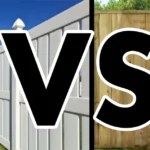

If you’ve ever had to replace a rotting wood fence after a brutal prairie winter, you already know the answer. But for homeowners and contractors still on the fence (pun intended), here’s a straightforward breakdown.
The Problem with Wood in Canadian Climates
Wood fencing has been the default choice for decades, and it’s easy to understand why — it’s familiar, it looks natural, and it’s easy to work with. But Canada’s climate is particularly hard on wood. Freeze-thaw cycles cause wood to expand and contract repeatedly, leading to warping, cracking, and splitting. Moisture from snow and ice penetrates the grain, accelerating rot. Posts heave as the ground freezes and thaws. By year five or six, most wood fences need significant repairs. By year ten, many need full replacement.
Why Vinyl Holds Up
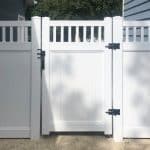
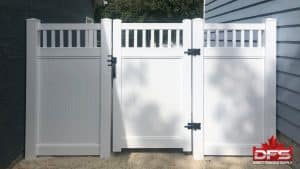
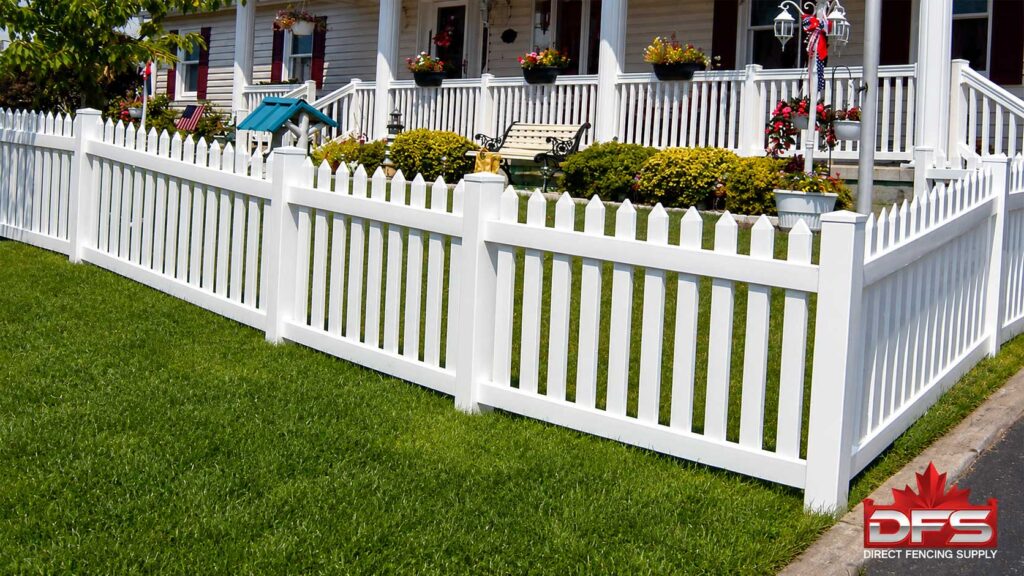
Vinyl fencing is engineered specifically to handle temperature extremes. Quality vinyl fence contains UV inhibitors that reduce fading and brittleness from sun exposure, and the material itself doesn’t absorb moisture — meaning it won’t rot, warp, or splinter regardless of how many times it freezes and thaws. It also doesn’t attract insects the way wood does.
A vinyl fence installed today should still look the same in 30 years with nothing more than an occasional rinse with a garden hose.
Cost Comparison
Vinyl has a higher upfront cost than basic wood fencing. However, when you factor in staining, painting, repairs, and eventual replacement, wood almost always costs more over a 15-20 year period. Vinyl is the lower-cost option over its lifetime.
The Verdict
For Canadian homeowners who want a fence that genuinely lasts, vinyl is the smarter long-term investment. For contractors, it’s also an easier installation with fewer callbacks and warranty claims.
Looking for vinyl fence products available through dealers across Canada? Contact Direct Fencing Supply to be connected with a dealer in your area.